The Interview: Launching a Startup Inspired by Language
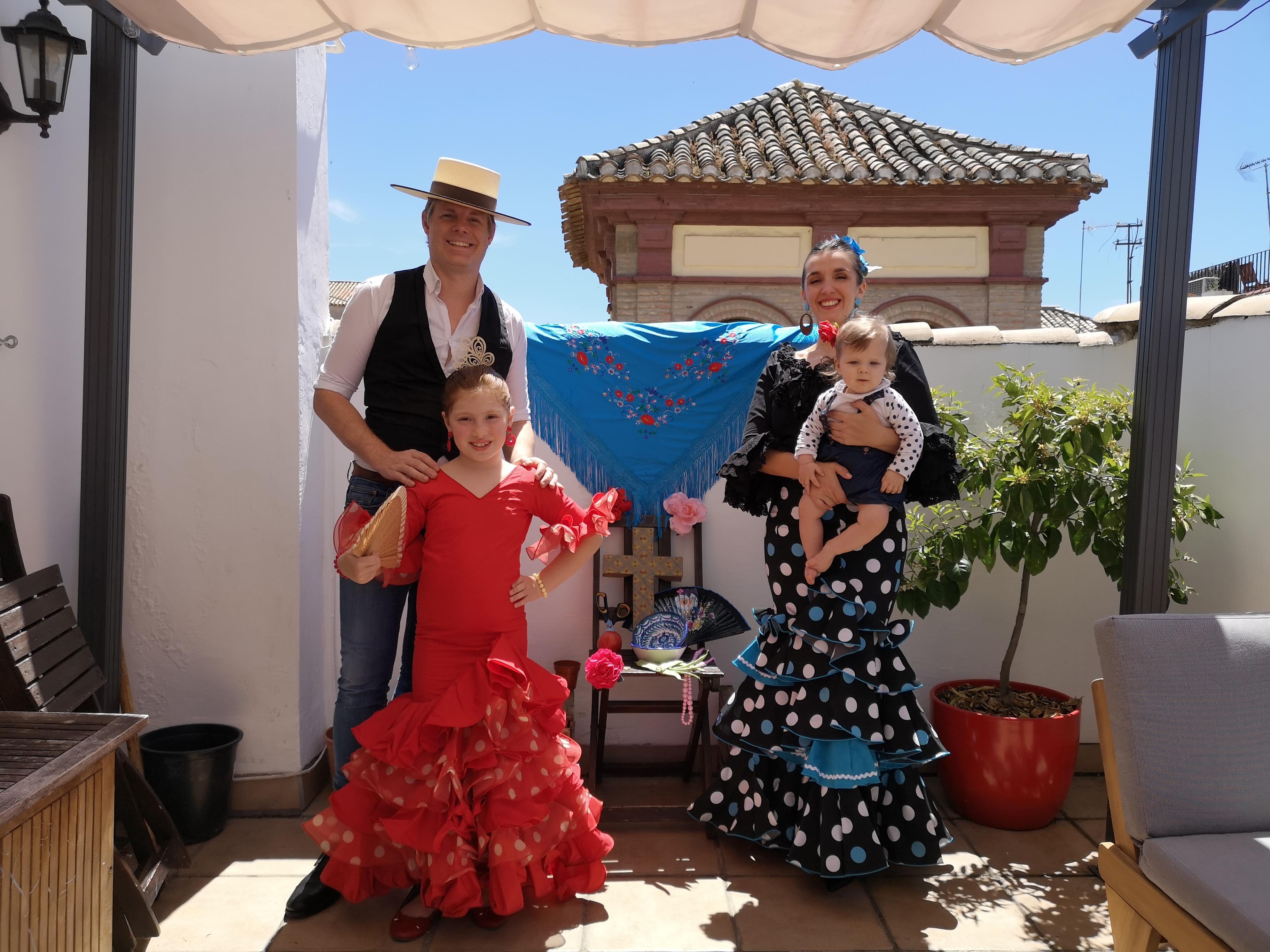
Coralie and Adam, a couple originally from France and the UK respectively - were new parents based in Rome, Italy before they decided to relocate to Granada in southern Spain. Swapping pasta for paella (and tapas) meant moving from the expensive and often frantic Italian capital to one of Spain’s most beautiful cities, in pursuit of a better work/life balance.
“Ideally, we wanted to live in the historic centre of a vibrant city, but to be able to walk everywhere instead of taking public transport, and have all practical and cultural amenities within a short distance.”
Once they had settled in the Andalusian city, the couple wasted no time in launching their own business. Work is Where the Home is caught up with them to find out more…
What did your pre-relocation life look like?
We were both working at a language school in Rome and had just had our daughter. Life in the big city was fun but extremely hectic and certainly not ideal for bringing up a young child. We were working long hours so we could afford an apartment in the city centre but eventually, we decided that we wanted to downsize and live in a smaller but equally historic place, that still offered lots to do in terms of culture and opportunity.
We looked at many different places in a variety of countries. We weren’t afraid of learning another language - we already spoke French and English to our daughter and Italian between the two of us. We knew that wherever we lived, we could always teach our respective languages, as long as we didn’t move to any francophone or anglophone countries.
What made you swap Italy for Spain?
We initially decided to move to Valencia, Spain’s third largest city. It was quite a step down from the hustle and bustle of Rome but it offered an incredibly good quality of life (renting an apartment was about a third of the cost of Rome). The historic centre is easily walkable with many amenities and various wonderful covered markets. One unique feature is the ‘Jardín del Turia’ a dried-out river bed right through the middle of the city which has been converted into the biggest urban park in Europe. It leads right down to the beach and It’s where everywhere goes to run, do yoga, have a picnic or see a concert. Whenever you ask someone in Valencia what they’re doing at the weekend, nine times out of ten they’ll say “Going down to the river”.
Whilst we were living in Valencia, we decided to hop in our car, roll southwards and take a road trip around Andalusia, the southernmost region of Spain. We visited Cordoba, Sevilla, Cadiz and many Pueblos Blancos”, or white-washed towns in the mountains or next to the sea. We had no intention of visiting Granada, but on the way back to Valencia, we decided to stop off and we immediately fell in love with it.
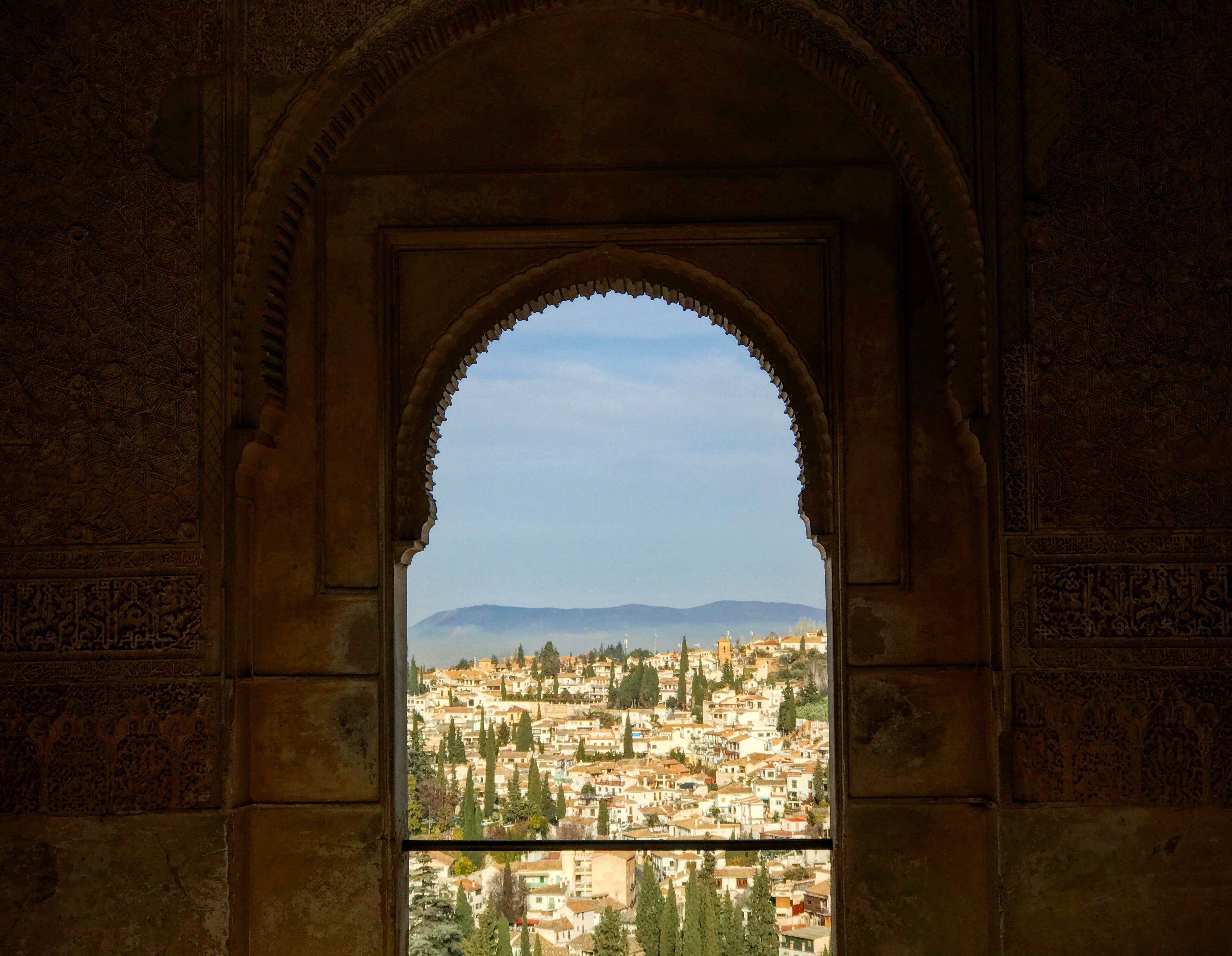
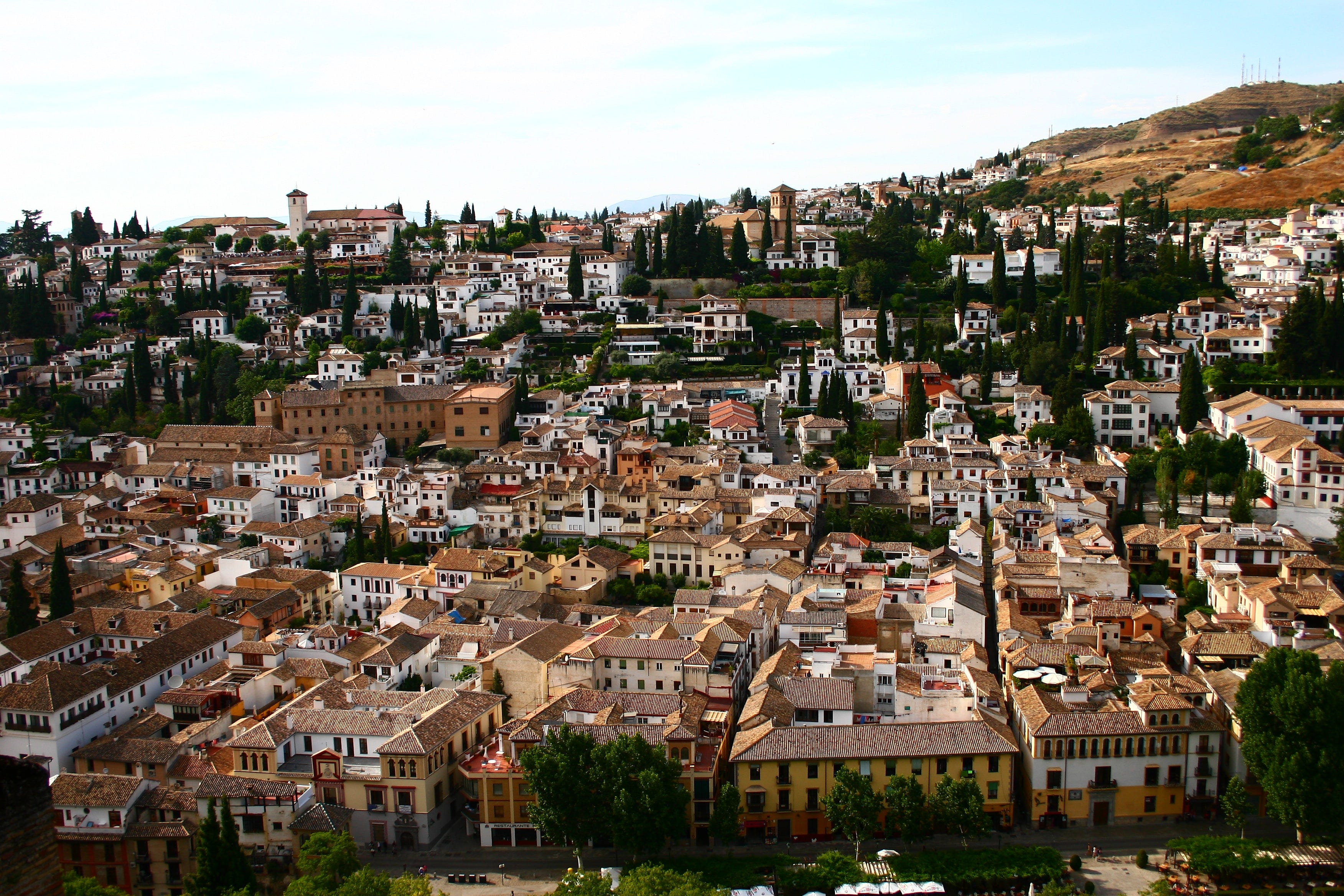
The historic centre has three main quarters, the Catholic quarter, the Jewish quarter and the Moorish quarter, all nestled below the hills leading up to the magnificent often snow-capped Sierra Nevada mountains. If you fancy a dip, the sea isn’t far either, it offers a fabulous mix of cultures, cuisines and people.
How did you make the transition to working in Spain?
We decided from the get-go that we wanted to be our own bosses and we wanted to have a flexible timetable organised around our family life, rather than the other way round. We began to hire out meeting rooms in co-working spaces for group language classes and we used a spare room in our house for individual and online classes. We also scaled up and expanded our translation, transcreation and content creation activities, which is our main activity today.
Let’s talk about living costs - how much rent do you pay?
Granada isn’t expensive. You can find an apartment with two or three bedrooms for 800-900 Euros in the city centre. The most expensive thing is the heating, as many apartments are very poorly insulated. During the winter, Granada gets pretty cold so you have to choose an apartment with a heating system. The first winter, we had no heating, so we bought a gas heater. It wasn’t perfect, but it was something and then the year after, we had an air-conditioning type heating system - one of our electricity bills was 500 Euros! It’s definitely best to find an extremely well insulated apartment, with double-glazing or a more affordable heating system such as mains gas.
How do your property and living costs per month compare with your pre relocation life?
Before Granada, we were in Valencia, Spain so if we compare living costs between the Granada and Valencia, they are very similar. But before that we lived in Rome and between Rome and Granada, it’s a huge difference! You can’t compare a country capital with a provincial capital. We are a lot richer in Granada than in Rome, that’s for sure!
What are your insider's tips for Granada?
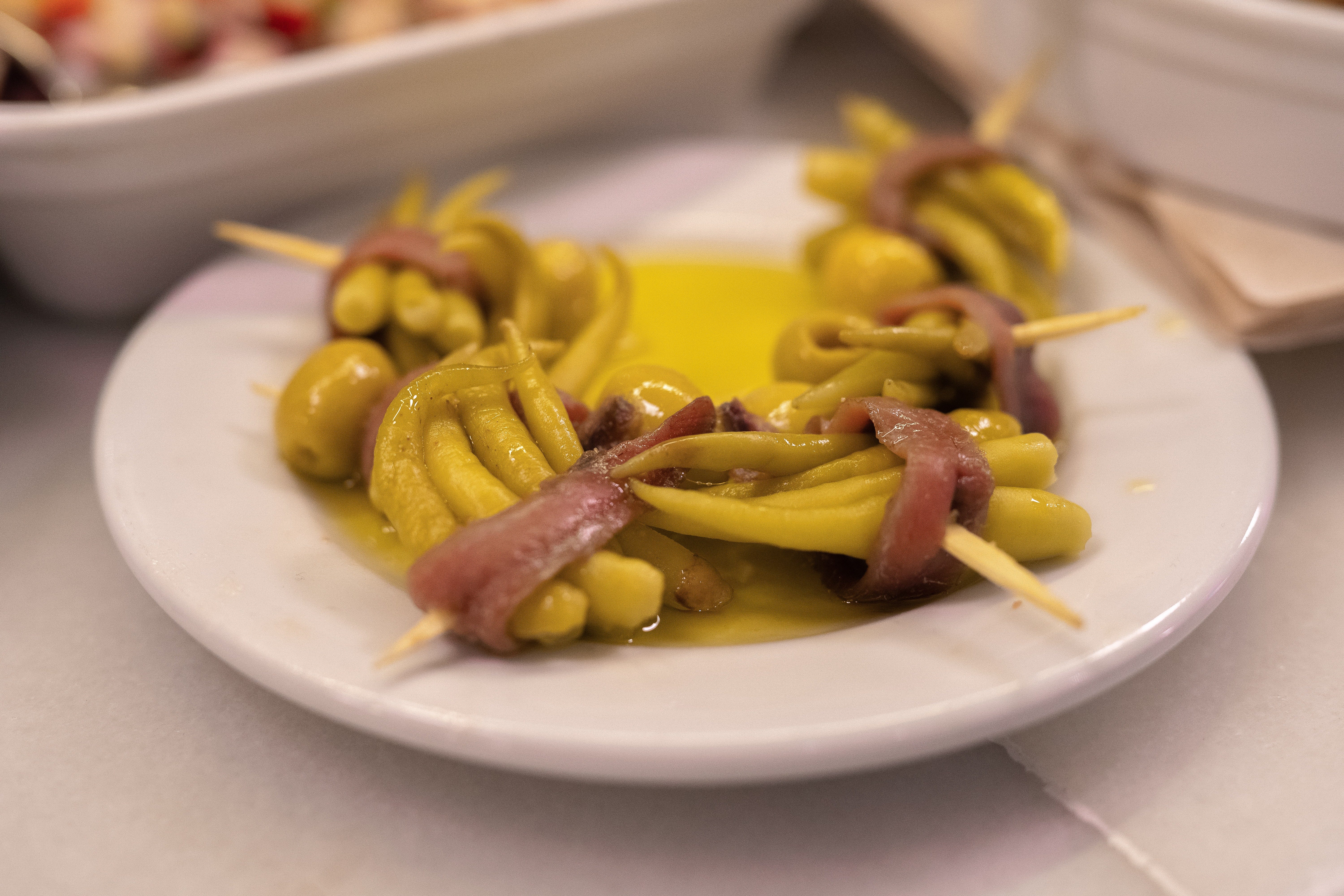
Granada is paradise for tapas. You can have a drink and something to eat for under 3 Euros. Our favourite place is Ras, a beautifully decorated bar in the city centre, along the picturesque Darro river. It’s really traditional; flamenco music, excellent cold beer and tapas and a great view of the Alhambra.
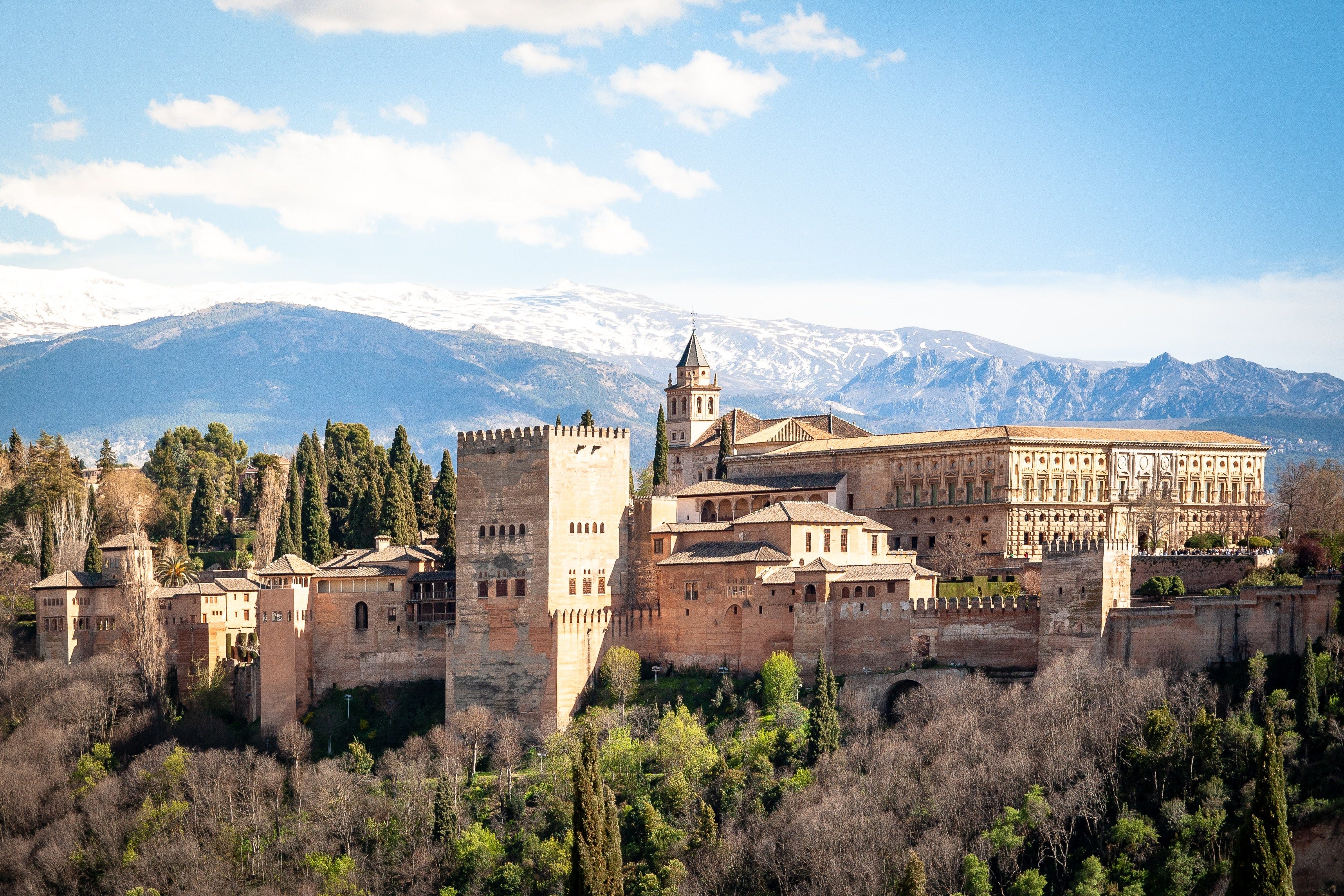
We also love to go to the Mirador San Nicola, especially during the winter. It’s a square offering a wonderful panorama of the city, the Alhambra castle and the snow-capped mountains. All viewed against the sound of live, spontaneous flamenco guitar and singing.